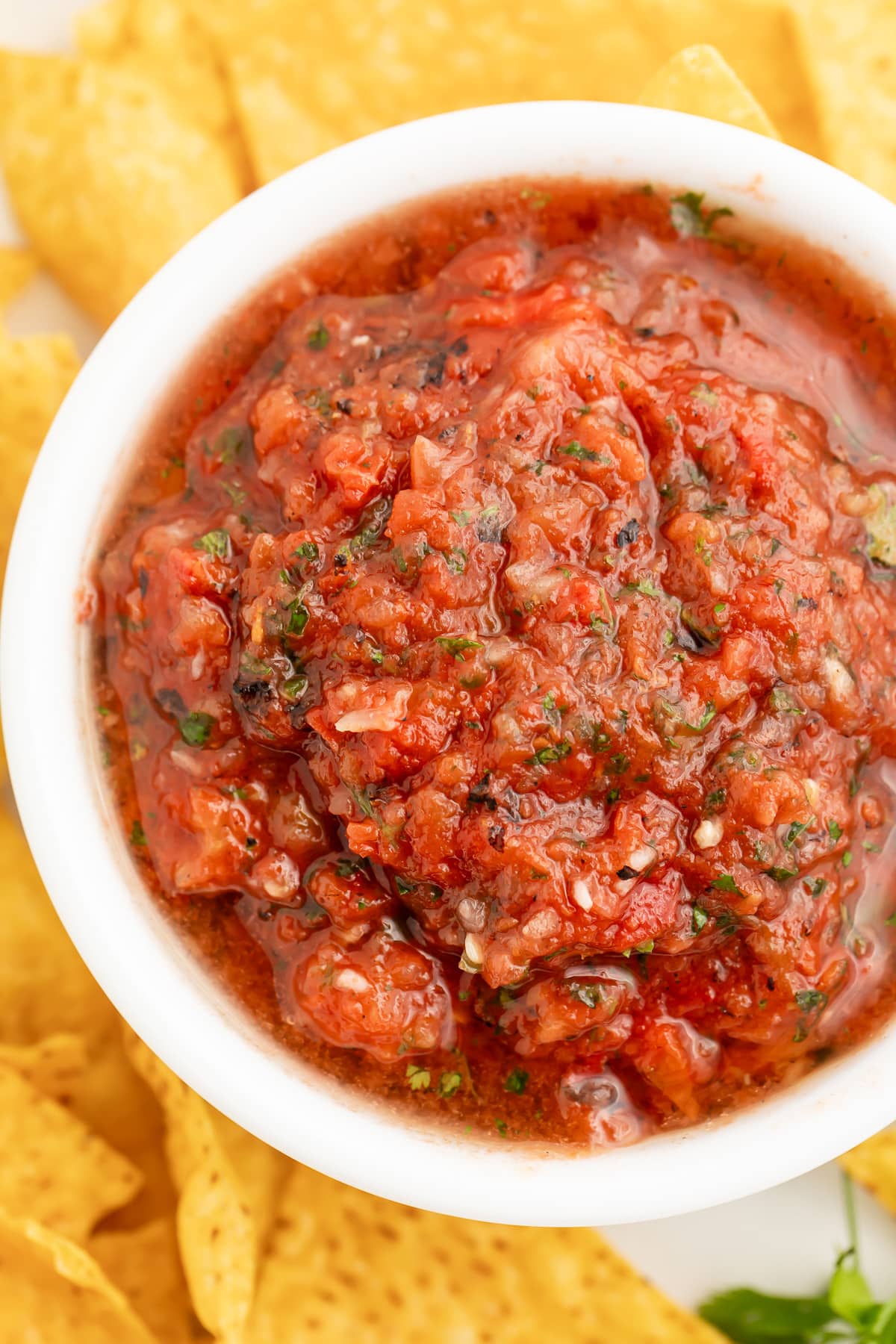
Unlocking the Ultimate Flavor: The Best Restaurant Style Salsa Recipe at Home
There’s nothing quite like the vibrant, zesty allure of a perfectly crafted salsa. It’s the essential centerpiece of any Mexican meal, the addictive dip that mysteriously disappears chip after chip, making you wonder just how much you’ve consumed. For many, the gold standard isn't found in a jar, but in the unlimited baskets served at your favorite local Mexican restaurant. That smooth, slightly spicy, incredibly fresh, yet deeply flavorful concoction seems to possess a secret ingredient that eludes most home cooks. But what if we told you that secret is within your reach? Prepare to discover the ultimate restaurant style salsa recipe that will elevate your snacking and dining experience to new heights.
For over a decade, enthusiasts have sought to replicate that elusive restaurant quality salsa, and this recipe delivers beyond expectation. It’s a harmonious blend of simple, wholesome ingredients—fresh tomatoes, canned tomatoes, aromatic garlic, pungent onion, bright cilantro, and a kick from serrano peppers—that transform into a chip dip so vibrant and flavorful, it genuinely tastes like it came straight from a beloved eatery. This isn't just a recipe; it's a testament to how humble ingredients, when combined with a specific technique, can create culinary magic.
The Unbeatable Secret: Where Fresh Meets Canned Tomatoes
What truly sets a phenomenal restaurant style salsa recipe apart from all others, and allows it to achieve that coveted depth, is a masterful balance between fresh and cooked tomato flavors. While many salsas rely solely on fresh tomatoes for a bright, but sometimes thin, profile, or exclusively on canned tomatoes for a deeper, but sometimes one-dimensional, richness, our secret lies in embracing both.
- Fresh Roma Tomatoes: These provide the vibrant acidity, the raw "zing," and the crisp, bright notes that make salsa feel alive. They contribute to the immediate burst of freshness on your palate, mimicking the freshly chopped elements you expect.
- Cooked Canned Tomatoes: This is where the profound depth comes in. Canned tomatoes, often picked at their peak ripeness and processed, offer a concentrated, rich, umami-laden foundation. Their "cooked" nature provides a robust backbone, a subtle sweetness, and a consistency that fresh tomatoes alone cannot achieve. Think of it as adding a slow-simmered quality to your salsa without the hours of cooking.
This ingenious combination yields a salsa that is neither overly watery nor too heavy. Instead, it achieves a complex flavor profile that is both exhilaratingly fresh and wonderfully deep—the hallmark of authentic restaurant-quality salsa. It’s this dual-tomato approach that imparts a textural and flavor dimension that other variations simply lack, making a truly remarkable difference in every spoonful.
Why Make Your Own Restaurant Style Salsa? Beyond the Taste Buds
While the unparalleled flavor is certainly reason enough to dive into making your own restaurant style salsa recipe, there are several compelling advantages that make homemade salsa a winning choice for any kitchen enthusiast:
- Unrivaled Freshness & Flavor: Let's be honest, nothing compares to the taste of freshly prepared food. Store-bought jarred salsas, while convenient, often contain preservatives, added sugars, and lack the vibrant, nuanced flavors of homemade. With this recipe, you control every ingredient, ensuring peak freshness and superior taste. You'll never go back to the jar after experiencing the genuine article.
- Cost-Effectiveness: At first glance, buying a jar of salsa might seem cheaper, but let's do the math. A 16-ounce jar of commercial salsa might cost you around $2-$4. The ingredients for this restaurant style salsa recipe, while initially appearing to be a few dollars more (around $4-$6, depending on produce prices), yield significantly more—often twice the amount or more—of a far superior product. And let's not forget the "free" chips and salsa at restaurants, which always come with the expectation of a full meal order! Making it at home is not only delicious but also incredibly budget-friendly, especially when entertaining. To learn more about how economical homemade salsa can be, check out our article on Homemade Restaurant Salsa: Smooth, Flavorful, & Budget-Friendly.
- Control Over Ingredients: Making salsa from scratch gives you complete command over what goes into your body. No mysterious additives, no excessive sodium, no added sugar (which this particular recipe admirably avoids). You can adjust the spice level to your preference, use organic produce, and ensure dietary needs are met.
- Ease of Preparation: Despite its sophisticated flavor, this restaurant style salsa recipe is ridiculously simple to whip up. A good blender or food processor does most of the heavy lifting, turning a handful of fresh ingredients into a culinary masterpiece in minutes. It's a fantastic recipe for beginner cooks and seasoned chefs alike.
Crafting Your Perfect Batch: Essential Tips for a Flawless Restaurant Style Salsa Recipe
Achieving that iconic Mexican restaurant salsa experience at home is simpler than you might think, but a few key tips can elevate your creation from good to absolutely phenomenal.
Selecting Your Ingredients Wisely
- Tomatoes are King: For the fresh component, Roma tomatoes are highly recommended due to their firm flesh and lower water content, which contributes to a better texture. For the canned aspect, opt for high-quality diced or crushed tomatoes. San Marzano style canned tomatoes can offer a richer, less acidic base if available.
- Aromatics Matter: Fresh garlic and onion are non-negotiable. Don't skimp on these; they form the aromatic heart of your salsa.
- Heat Control: The reference calls for serrano peppers, which offer a clean, sharp heat. If you prefer a milder salsa, you can deseed the serranos, or substitute with jalapeños (deseeded for mild, with seeds for medium heat). Always handle peppers with care!
- Cilantro's Role: Fresh cilantro is crucial for that authentic, vibrant taste. If you're one of the few who finds cilantro soapy, you can reduce the amount or omit it, but it will subtly change the traditional flavor profile.
- Salt to Taste: Salt is a flavor enhancer. Start with a conservative amount and adjust as needed. A good quality sea salt can make a difference.
Achieving the Perfect Consistency
Unlike some chunky pico de gallo, a classic restaurant style salsa recipe is typically smooth, yet retains a very fine texture. It should not be watery, nor should it be a thick, chunky puree. The goal is a homogenous consistency with tiny, almost imperceptible flecks of ingredients. To achieve this:
- Use a blender or food processor.
- Pulse the ingredients rather than blending continuously. This allows you to control the texture precisely, stopping when it reaches that ideal, slightly textured smoothness. Over-blending can result in a watery salsa.
The Magic of Chilling
Once blended, resist the urge to dive in immediately! While delicious fresh, this salsa truly shines after it has had time to chill. Allow it to rest in the refrigerator for at least 30 minutes, ideally an hour or more. This crucial step allows the flavors to meld, deepen, and fully integrate, transforming a collection of ingredients into a harmonious symphony of taste.
Flavor Adjustments and Storage
After chilling, taste your salsa. This is your chance to make it perfect. Does it need more salt? A squeeze of fresh lime juice can brighten the flavors and add a pleasant tang. Craving more heat? A dash of your favorite hot sauce or another small piece of serrano can be pulsed in. Store your homemade salsa in an airtight container in the refrigerator, where it will typically stay fresh and delicious for 5-7 days. For even more insights into recreating that exact restaurant flavor, explore our detailed guide on Authentic Restaurant Style Salsa: The Exact Copycat Recipe Revealed.
Conclusion
Gone are the days of settling for bland, store-bought alternatives or yearning for that elusive restaurant salsa. With this comprehensive guide to crafting the best restaurant style salsa recipe, you now possess the knowledge and techniques to create a vibrant, flavorful, and incredibly authentic dip right in your own kitchen. By understanding the critical balance between fresh and canned tomatoes, and by following these simple, actionable tips, you're not just making salsa—you're unlocking a culinary experience that will impress friends, satisfy cravings, and forever change your definition of homemade perfection. So gather your ingredients, fire up your blender, and prepare to elevate your next snack or meal with the ultimate restaurant-quality salsa.
